
| Plant extracellular vesicles (PDEVs) are lipid bilayer-enclosed particles which are naturally released by plant cells into the apoplast. Apoplast is the extracellular space between the plasma membrane and the cell wall. PDEVs function is to act as vital messengers in intercellular and interkingdom communication, delivering cargo—including proteins, lipids, and nucleic acids—to modulate plant growth, development, and stress responses. Their sophisticated composition makes PDEVs therapeutically attractive. According to MISEV (Minimal Information for Studies on Extracellular Vesicles) guidelines, EV markers are organized into three functional categories: Category 1 (transmembrane proteins, enriched in EVs)
Nueraihemaiti et al. (2025). Advances in Plant-Derived Extracellular Vesicle Extraction Methods and Pharmacological Effects. Biology (Basel). 2025 Apr 6;14(4):377. doi: 10.3390/biology14040377. Zeng et al. (2024). Advances in plant-derived extracellular vesicles: isolation, composition, and biological functions. Food Funct. 2024 Nov 25;15(23):11319-11341. doi: 10.1039/d4fo04321a. Farely et al. (2022). Unconventional Secretion of Plant Extracellular Vesicles and Their Benefits to Human Health: A Mini Review. Front Cell Dev Biol. 2022 Jun 1:10:883841. doi: 10.3389/fcell.2022.883841. Urzì et. al (2021). Extracellular Vesicles from Plants: Current Knowledge and Open Questions. Int J Mol Sci. 2021 May 20;22(10):5366. doi: 10.3390/ijms22105366. | 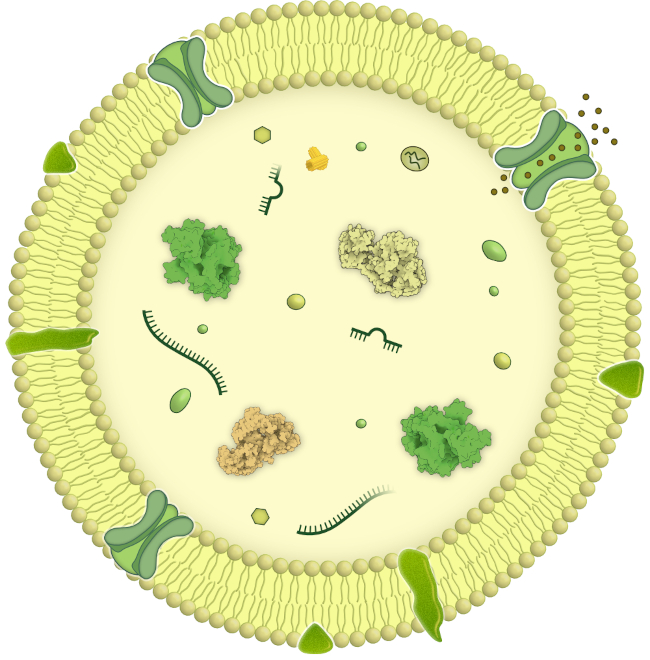 Schematic representation of Plant extracellular vesicles (PDEVs). |
Agrisera News
Latest
Agrisera at International Conference of the German Society for Plant Sciences2026-09-08 Agrisera supported three international conferences in August
2026-08-28 Agrisera at International Conference of Photosynthesis Research
2026-07-30 Agrisera at Plant Biology 2026 Conference
2026-07-29 Conferences supported in July
2026-07-24 Agrisera at the 36th International Conference on Arabidopsis Research 2026
2026-07-10 Agrisera supported five conferences in June
2026-06-26 Agrisera Team celebrates middle of the summer, Midsummer
2026-06-19 Agrisera Western blot workshop at BioLOCK conference in Poland
2026-06-08 Agrisera at the 7th International Plant Protease Conference 2026
2026-06-08
Archive
- September - 2026
- August - 2026
- July - 2026
- June - 2026
- May - 2026
- April - 2026
- March - 2026
- February - 2026
- January - 2026
- December - 2025
- November - 2025
- October - 2025
- September - 2025
- August - 2025
- July - 2025
- June - 2025
- May - 2025
- April - 2025
- March - 2025
- February - 2025
- January - 2025
- December - 2024
- November - 2024
- October - 2024
- September - 2024
- August - 2024
- July - 2024
- June - 2024
- May - 2024
- April - 2024
- March - 2024
- February - 2024
- January - 2024
- December - 2023
- November - 2023
- October - 2023
- September - 2023
- August - 2023
- July - 2023
- June - 2023
- May - 2023
- April - 2023
- March - 2023
- February - 2023
- January - 2023
- December - 2022
- November - 2022
- October - 2022
- September - 2022
- August - 2022
- July - 2022
- June - 2022
- May - 2022
- April - 2022
- March - 2022
- February - 2022
- January - 2022
- December - 2021
- November - 2021
- October - 2021
- September - 2021
- August - 2021
- July - 2021
- June - 2021
- May - 2021
- April - 2021
- March - 2021
- February - 2021
- January - 2021
- December - 2020
- November - 2020
- October - 2020
- September - 2020
- August - 2020
- July - 2020
- June - 2020
- May - 2020
- April - 2020
- March - 2020
- February - 2020
- January - 2020
- December - 2019
- November - 2019
- October - 2019
- September - 2019
- August - 2019
- July - 2019
- June - 2019
- May - 2019
- April - 2019
- March - 2019
- February - 2019
- January - 2019
- December - 2018
- November - 2018
- October - 2018
- September - 2018
- August - 2018
- July - 2018
- June - 2018
- May - 2018
- April - 2018
- March - 2018
- February - 2018
- January - 2018
- December - 2017
- November - 2017
- October - 2017
- September - 2017
- August - 2017
- July - 2017
- June - 2017
- April - 2017
- March - 2017
- February - 2017
- December - 2016
- November - 2016
- October - 2016
- September - 2016
- August - 2016
- July - 2016
- June - 2016
- May - 2016
- April - 2016
- March - 2016
- February - 2016
- January - 2016
- December - 2015
- November - 2015
- October - 2015
- September - 2015
- August - 2015
- July - 2015
- June - 2015
- May - 2015
- March - 2015
- February - 2015
- January - 2015
- December - 2014
- November - 2014
- October - 2014
- September - 2014
- August - 2014
- July - 2014
- June - 2014
- May - 2014
- April - 2014
- March - 2014
- February - 2014
- January - 2014
- December - 2013
- November - 2013
- September - 2013
- August - 2013
- July - 2013
- June - 2013
- May - 2013
- April - 2013
- February - 2013
- January - 2013
- December - 2012
- October - 2012
- September - 2012
- August - 2012
- July - 2012
- June - 2012
- May - 2012
- April - 2012
- March - 2012
- December - 2011
- November - 2011
- September - 2011
- August - 2011
- July - 2011
- April - 2011
- January - 2011
- December - 2010
- October - 2010
- September - 2010
- August - 2010
- July - 2010
- March - 2010
- January - 2010
- December - 2009
- November - 2009
- September - 2009
- July - 2009
- June - 2009
- May - 2009
- March - 2009
- January - 2009
- December - 2008